Eurostar urges St Pancras expansion as France rail competition grows
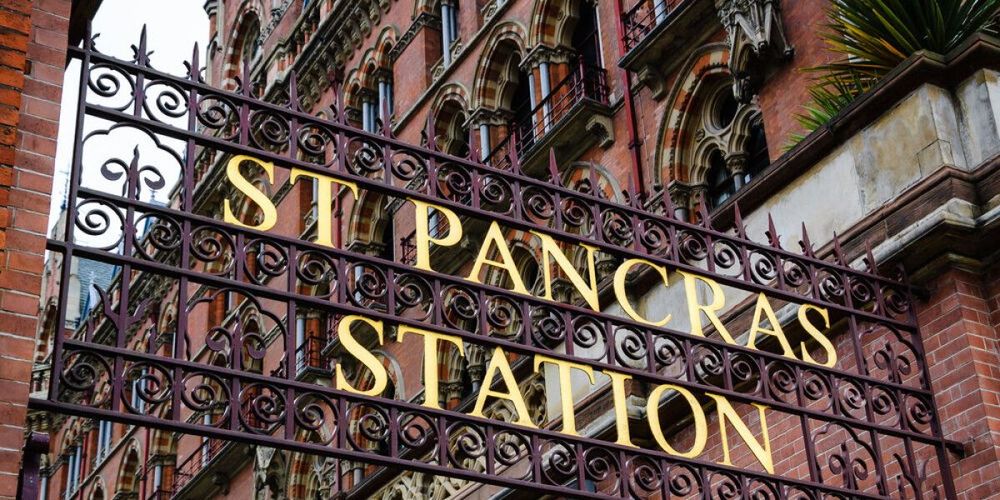
Eurostar is pressing UK authorities to accelerate expansion plans for its London St Pancras terminal as the company prepares to face competition for the first time since Channel Tunnel passenger services began in 1994.
The operator, owned by SNCF, Belgian railway SNCB and private investment firms, warned at a July event in London that both St Pancras and Paris Gare du Nord lack sufficient capacity to handle projected passenger growth and new market entrants.
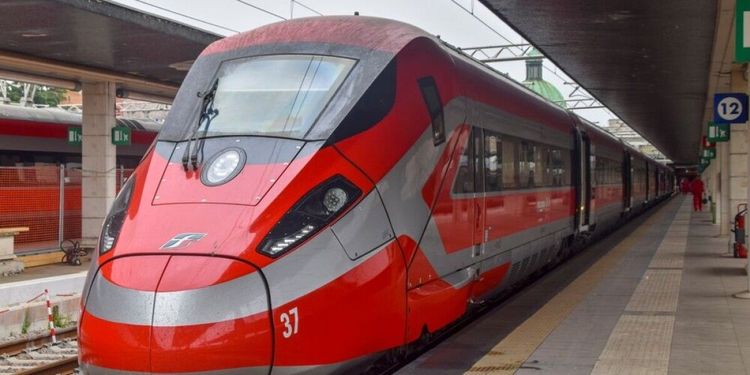
Italian railway Trenitalia plans to launch 10 daily return services through the tunnel in 2029, backed by a €2 billion order for 19 new high-speed trains from Hitachi Rail. Virgin Trains received regulatory approval in August 2026 from the Office of Rail and Road to operate up to 20 daily return services starting October 2030, with track access rights extending through 2040.
Formal expansion initiative underway
Eurostar and London St Pancras Highspeed signed a letter of intent in July 2025 launching a major joint initiative to expand terminal capacity, with architecture firm Hawkins Brown appointed to lead detailed design and feasibility studies.
Research commissioned by London St Pancras Highspeed forecasts annual passenger numbers will surge from 11 million to 35 million by 2040. Eurostar carried approximately 20 million passengers in 2025, representing 3% growth from the previous year, and aims to reach 30 million by 2030.
St Pancras currently handles around 2,000 international passengers per hour, increased from 1,800 in 2024. Eurostar says this must rise to 5,000 passengers hourly to accommodate expanded services to European destinations beyond the core Paris, Brussels and Amsterdam routes.
Paris Gare du Nord, Europe's busiest railway station handling approximately 700,000 passengers daily across all services, currently processes 2,000 international passengers per hour. A €600 million expansion project aims to increase overall capacity to 900,000 passengers daily by 2030, with international passenger handling targeted at 3,000 per hour.
British political vision needed
Gwendoline Cazenave, Eurostar's managing director, criticised fragmented British governance of the expansion project.
We need a comprehensive political vision for this project from the British. Currently, everyone is working in silos, whether it's the concessionaire, the regulator, or the government.
Ms Cazenave said discussions with French authorities over Gare du Nord expansion were progressing well, potentially through construction on land adjacent to the existing terminal building.
London bottlenecks could potentially be resolved without new construction through reconfiguration of arrivals and departures terminals, both currently at basement level. Moving arriving passengers to direct upper platform exits could free basement space for departures processing.
Concession complications
London St Pancras Highspeed holds only a 30-year concession to operate the station, expiring in 2040, potentially limiting incentive for major capital investment. Eurostar, whose new trains announced in a €1.7 billion investment last year are designed to operate until at least 2060, has proposed the UK government and concessionaire agree continuing arrangements for recovering investment through toll fees beyond the concession end date.
UK authorities have not responded to this proposal. Infrastructure constraints add further complexity, as Temple Mills International Depot in east London remains the only train depot accessible from High Speed 1, the line connecting London to the Channel Tunnel, making depot arrangements critical for new market entrants.
The UK now needs a bold vision to match the investment on the table, more depot capacity, a bold expansion of St Pancras, and a seamless border. Now is the time to act to ensure that Britain plays a leading role in Europe's high-speed rail future.Ms Cazenave said.