Meet the Aude producer behind artisan balsamic vinegar Granhota
In the small commune of Coursan, located approximately 7 kilometers from Narbonne along the river Aude, Laurent Faure has built a successful artisan vinegar business that bridges his family's winemaking heritage with modern gastronomy.
Faure launched Granhota vinaigrerie in 2010, transforming grapes from his family's vineyards into premium vinegars. The venture initially seemed unconventional, but it has flourished alongside France's growing appetite for high-quality, artisanal products. The country's vinegar market reached approximately USD 364 million in 2022, driven by consumers' increasing preference for gourmet and authentic foods.
My family has been cultivating these vineyards for half a century, but I was more interested in transformation than cultivation. I wanted to find a bridge between vines and gastronomy, which is how I came up with this idea.
The Aude department provides an ideal setting for the operation, with 10 Protected Designation of Origin wine areas offering diverse grape varieties including Carignan, Syrah, Grenache Noir, Mourvèdre, and Cinsault. While the family vineyards supply grapes exclusively for Granhota's balsamic vinegars, which remain the company's bestsellers, Faure sources additional grapes from neighbouring vineyards within a 5-6 kilometer radius for his other products.
I use all sorts of grape varieties, which give a range of flavours.
Diverse product range
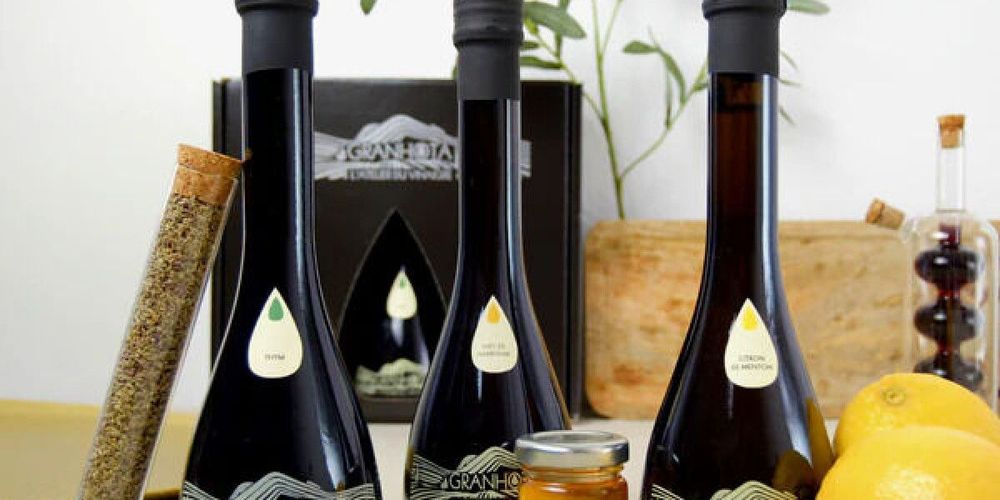
The balsamic collection includes flavours such as mango, apricot, apple and fig. The classic vinegar line features honey, raspberry, lemon, pepper, thyme, walnut and ginger varieties. Faure has also developed a specialty vinegar designed specifically for oysters.
It is very light and fragrant, developed to enhance the flavour of shellfish without dominating it. I think lemon can be a bit too acidic, a bit overwhelming.
Beyond vinegars, Granhota produces a small selection of mustards and olive oil, available through the company's website and select local retailers.
Growing export market
International sales have become a significant revenue stream, with exports to Japan, the United States and Canada. This expansion reflects broader European trends, as the continent accounts for approximately 38% of the global artisan vinegar market, with Italy, France and Spain maintaining strong production traditions.
An emerging business segment involves contract production for local winemakers seeking to diversify. The arrangement addresses a critical challenge: vinegar production requires the same acetic acid bacteria that can devastate wine if they contaminate a cellar. The transformation process relies on Acetobacter bacteria, which convert alcohol into acetic acid through oxidation requiring warm temperatures around 28-29°C and ample oxygen.
To make vinegar you need heat and air, but winemakers are always protecting their wines, keeping them cool and dark. They say a bad winemaker is a good vinegar-maker and vice versa. So vignerons deliver their grapes to us and we make vinegar for them. That's a growing market for us.
Visitor experience
Faure welcomes visitors to the Coursan facility without charging admission fees. Tours demonstrate the production process, followed by tastings and direct sales opportunities. Interested visitors should consult the website for scheduling details.
The business represents the type of small and medium-sized family operation that continues contributing to Europe's artisan food sector, supported by local distribution networks and France's emphasis on quality regional products.