Two dead as Legionnaires' disease outbreak strikes Savoie region
Two people have died following an outbreak of Legionnaires' disease in Savoie, southeastern France, regional health authorities reported Thursday. Both victims were over 80 years old and were among 43 confirmed cases recorded since June 1, 2026.
The Agence régionale de santé (ARS) Auvergne-Rhône-Alpes confirmed that 41 patients required hospitalisation for respiratory complications. The outbreak represents what the agency described as an "unusual increase" in cases for the summer period.
Legionnaires' disease is a severe lung infection caused by inhaling water droplets contaminated with legionella bacteria. The illness cannot spread between people and typically manifests two to 10 days after exposure, causing severe coughing, high fever and respiratory distress. Gastrointestinal symptoms are common among older adults.
Chambéry basin emerges as outbreak epicentre
Of the 43 cases, 27 occurred in western Savoie, particularly concentrated in the Chambéry basin. This densely populated area includes the city of Chambéry with approximately 60,000 inhabitants and a greater metropolitan area exceeding 134,000 residents. Patients range in age from 26 to 91 years old.
The outbreak follows a major incident in Albertville, also in Savoie, where 50 laboratory-confirmed cases occurred within 12 days in September 2025. That event was described as the most significant Legionnaires' disease outbreak in France in the last two decades, suggesting potential ongoing environmental contamination issues in the department.
Environmental investigation underway
Health authorities have collected approximately 30 water samples from potential contamination sources across the region, including residential hot water systems, supermarkets, restaurants and cooling towers. Results are expected by August 17, 2026.
The investigation focuses on common transmission sources: domestic hot water systems such as showers and whirlpool baths, along with cooling towers, decorative fountains and misting systems. Contaminated cooling towers pose particular risks because airborne bacteria can disperse over considerable distances through aerosol drift.
France maintains strict regulatory oversight of such installations under Decree 2004-1331, which mandates registration, inspection and monthly monitoring of Legionella levels in cooling towers. The bacteria can multiply in water temperatures up to 45°C and survive up to 66°C, making inadequately maintained hot water systems ideal breeding grounds. Testing using standard culture methods requires seven to 10 days to yield definitive results.
Rising national trend
The Auvergne-Rhône-Alpes region typically reports 200 to 400 Legionnaires' disease cases annually. Nationally, France has experienced approximately 1,800 cases per year since 2017, according to Santé publique France, the national public health agency. Experts attribute this increase to meteorological changes and improved diagnostic testing capabilities.
Last year, 24 people died from the disease in the Auvergne-Rhône-Alpes region. While Legionnaires' disease carries an overall fatality rate of approximately 10 percent, healthcare-associated infections prove significantly deadlier, with mortality rates reaching 25 percent.
The ARS emphasised that the current spike in Savoie is not being observed elsewhere in the region or nationally.
Prevention recommendations
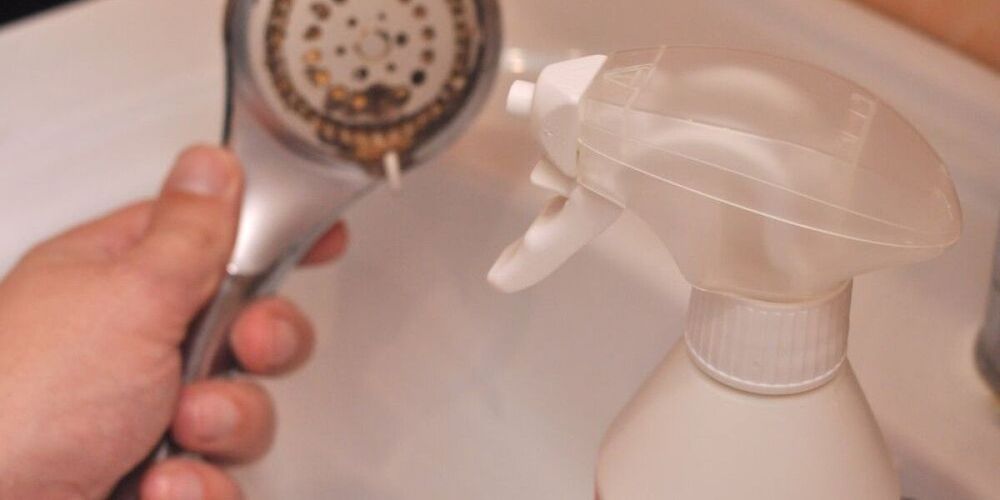
Health authorities urge residents to maintain hot water systems through annual servicing, replacing outdated plumbing fixtures, and ensuring hot water reaches at least 50°C. Shower heads, hoses and tap nozzles should be descaled and disinfected annually.
During periods of non-use, water systems should be run thoroughly to ensure proper functioning. Home water equipment and respiratory devices such as oxygen systems and sleep apnea machines require regular cleaning and sanitisation.
Older adults, smokers and individuals with chronic respiratory diseases, diabetes or compromised immune systems face elevated risk from the infection. The disease responds to antibiotic treatment when diagnosed promptly.