The crisis in education, housing and living costs brings young people out to protest across Europe
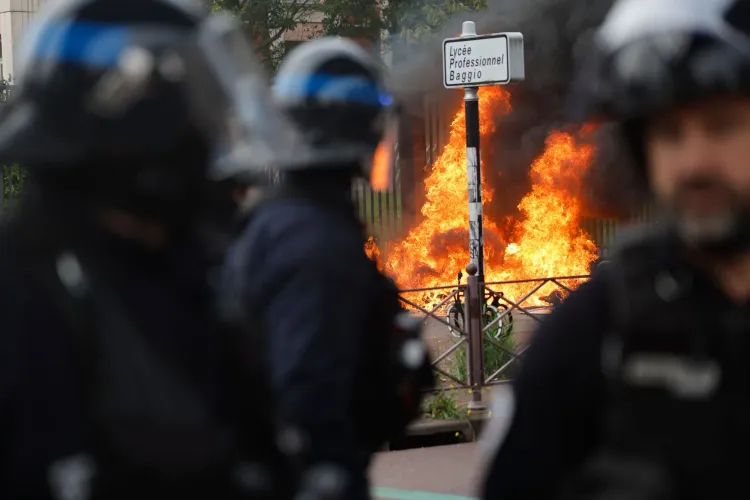
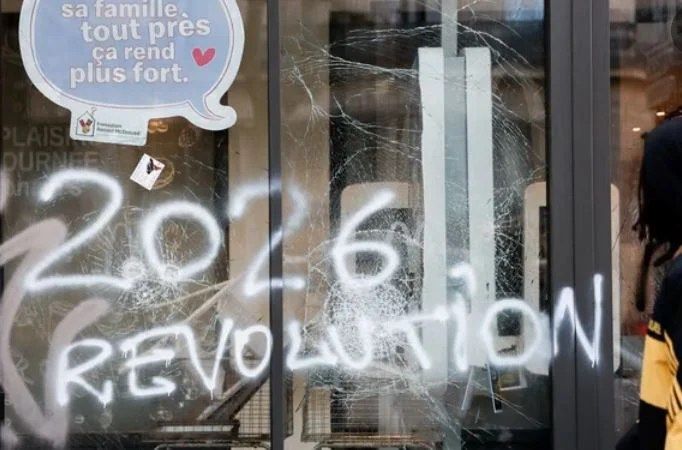
Thousands of protesters have mobilized across several European countries in recent weeks, demanding government action on deteriorating educational systems, unaffordable housing and mounting living expenses. The demonstrations, which have swept through France, Spain, Portugal, Italy and Albania, began peacefully but in some locations have intensified into violent confrontations with law enforcement.
France: Education Crisis Sparks Nationwide Movement
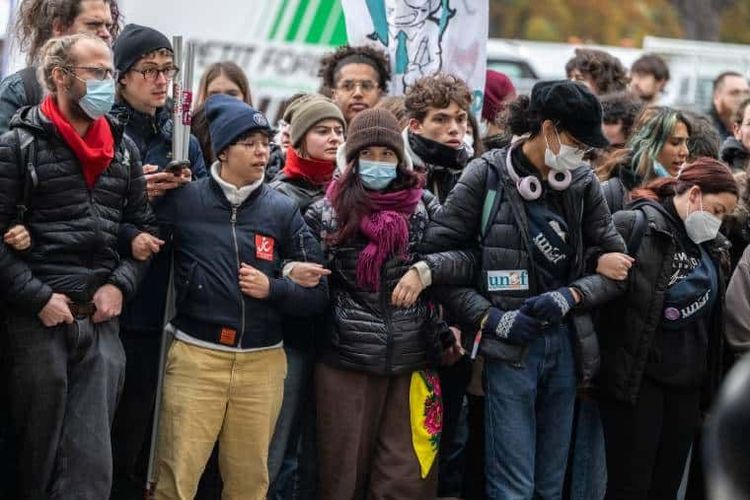
In France, secondary school students initiated the protests in late September, rallying against chronic teacher shortages and deteriorating conditions in educational institutions. According to the education ministry, nearly 10% of teaching hours went untaught in public secondary schools during the 2024-2025 school year. Students have also voiced frustration over difficulties securing university admission.
The movement quickly expanded beyond education. On October 2, 2026, over 250,000 demonstrators gathered in more than a dozen French cities, including around 56,000 in Paris alone, according to the Interior Ministry. Citizens have joined the protests to express concerns about rising fuel prices and the broader economic deterioration.
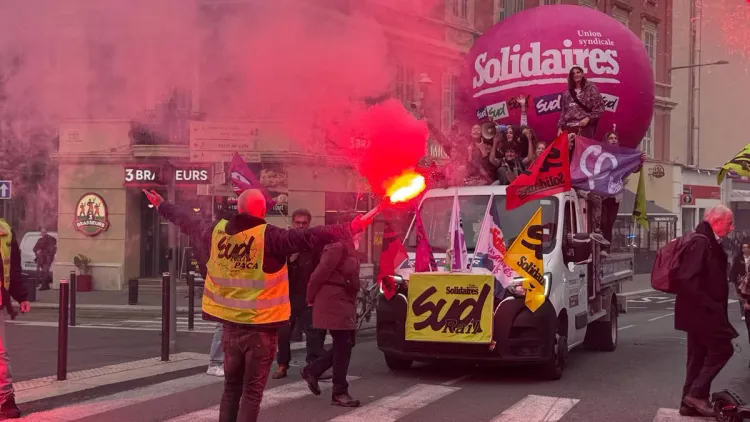
The General Confederation of Labour, one of France's largest trade unions, has mobilized in support of the demonstrators, calling for lower prices, higher wages and improved pensions. The government has responded by pledging to hire 3,000 substitute teachers to address staffing shortages in schools.
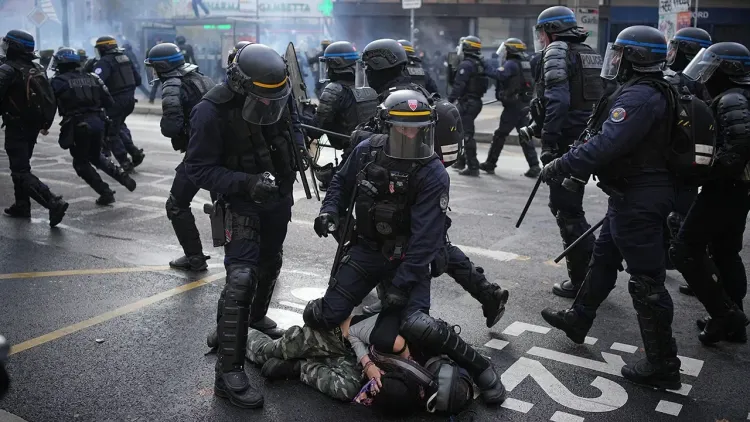
However, the situation has turned violent in some areas. French Prime Minister Sébastien Lecornu reported that since the protests began, 215 students and 85 school staff members have been injured. More than 600 police officers have also suffered injuries during the clashes.
Spain: Housing Affordability at Breaking Point
Spain has emerged as another focal point of discontent, with housing affordability at the center of public anger. The country faces a shortage of approximately 750,000 homes, a figure the Bank of Spain expects to exceed one million by 2028. Housing prices recorded a 12.2% year-on-year increase in the second quarter of 2026, with second-hand homes becoming 12.9% more expensive and new housing rising by 7.4%.
Activists have organized demonstrations opposing rising rents and evictions, demanding price freezes and stronger tenant protections. Public outrage intensified after an 87-year-old woman was evicted from her home when the investment fund owning the property raised her rent by 230%. Two weeks after the eviction, the woman died following hospital admission.
Socialist Prime Minister Pedro Sánchez proposed emergency measures for the housing sector, including limits on evictions and regulations on short-term rentals. However, the initiative failed to secure the necessary parliamentary support. Activists have vowed to continue protesting and have announced a general strike planned for November 11.
Portugal: Property Prices Double in Nine Years
In Portugal, hundreds gathered in Lisbon to protest the severe housing affordability crisis. National house prices more than doubled between 2015 and 2024, with the largest increases concentrated in Lisbon, Porto and coastal regions. The surge was driven by foreign investment facilitated by the Golden Visa program and the Non-Habitual Resident tax regime, alongside growth in tourism and short-term rentals.
Data from the Organization for Economic Cooperation and Development reveals that Portuguese families' financial burden to acquire property has increased by more than 50% since 2015, the steepest rise in the European Union. The house price-to-income ratio in Portugal reached 150.9 in 2023, compared to 109 in the euro zone.
Italy and Albania: Violent Clashes and Corruption Concerns
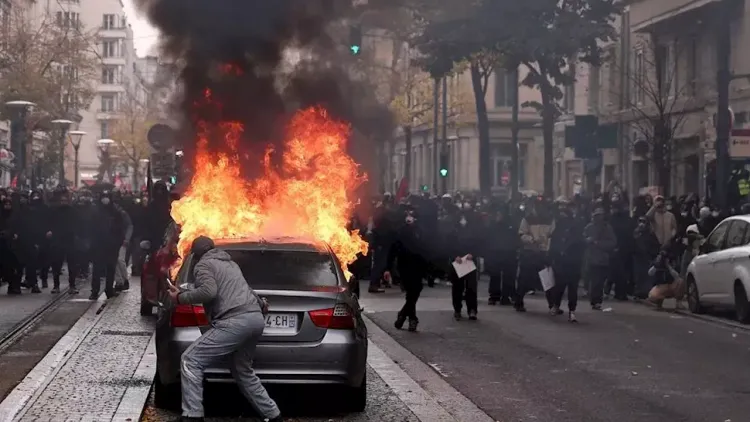
Italy has also experienced significant unrest, particularly in Milan, but also in Turin and Bologna. Masked demonstrators have clashed with police, throwing stones and other objects, and setting fire to barricades. More than 200 people have been arrested in Milan since October 17, 2026, following two consecutive days of violent confrontations over the cost of living. In response, the Italian government is considering deploying 500 military personnel in Milan to restore order.
Albania has joined the protest wave, with demonstrations against Prime Minister Edi Rama continuing for several days. Rama, who has been in office since 2013 and is currently serving his fourth term with his Socialist Party having held power continuously throughout this period, faces accusations of corruption and mismanagement. Protesters have raised concerns about perceived corruption, unemployment and problems in the education system. The unrest intensified following corruption proceedings opened in October 2025 against Deputy Prime Minister Belinda Balluku over alleged violations of public procurement rules, including tenders connected to the Llogara Tunnel and other infrastructure projects.
Common Grievances, Uncertain Outcomes
While the specific demands vary by country, the underlying grievances remain consistent: economic hardship, the escalating cost of living and dissatisfaction with public services. In France, the increasing violence has placed additional pressure on authorities, with President Emmanuel Macron urging citizens to distinguish peaceful protesters from those responsible for vandalism and looting.
Governments across the affected countries have begun examining potential responses to citizen demands, but uncertainty remains over whether these protest movements will result in substantive long-term reforms or further escalation in the days ahead.