Straightened streams most vulnerable
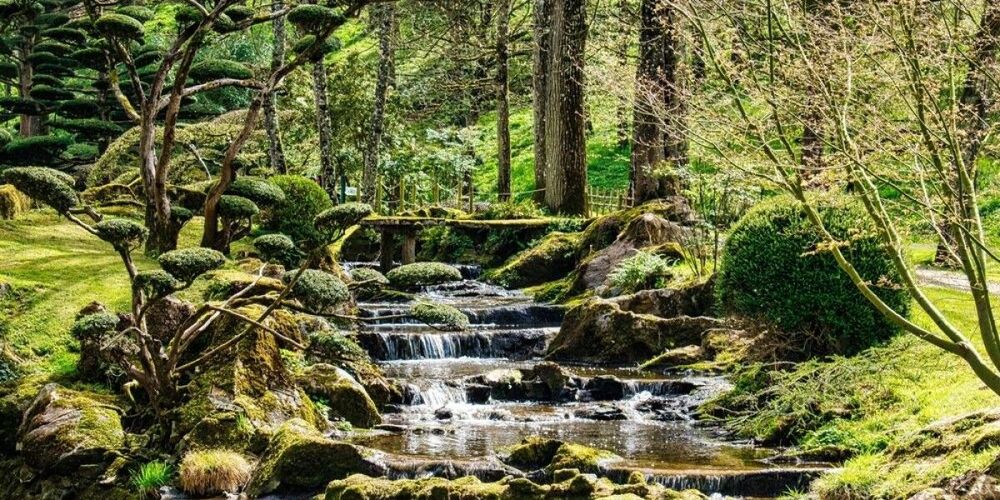
The drought particularly impacts streams that were straightened under agricultural modernization programs. Until 1992, the French government actively encouraged irrigated farming through price support mechanisms and subsidies for large-scale infrastructure projects. These river straightening initiatives, funded by French and EU sources until the mid-1990s, were designed to improve agricultural water access but have left many waterways more vulnerable to drying up during drought conditions.
Minister for Ecological Transition Monique Barbut confirmed this pattern following a crisis meeting about France's exceptional summer drought in July. The worst affected areas stretch along a line between the Vendée and the northeast, and across south-central France. The most severely impacted departments include Creuse, Vendée, Loire-Atlantique, Aveyron, Côte-d'Or, Nièvre, Deux-Sèvres and Charente-Maritime.
Major rivers at historic lows
All of France's major rivers recorded low levels, though the main navigable freight routes on the Seine and Rhine remained open to river traffic, with some disruption on the Rhine. The Loire, France's longest river at 1,006 kilometers, became so shallow in July that it was possible to cross using its characteristic shifting sandbanks and by wading, an unusual occurrence so early in the year for a river known for its natural, free-flowing state without dams.
The Garonne River, which provides drinking water to cities including Toulouse and Agen and cooling water for the Golfech nuclear power plant, prompted early emergency measures. Établissement Public Garonne, the body monitoring river levels, began releasing water from EDF hydroelectric dams at the start of July, the earliest such release since the organization was established in 1993.
Nicolas Cardot, manager of water levels at Établissement Public Garonne, explained that while winter brought significant rain and snow, three consecutive heatwaves with no substantial rainfall in June necessitated the early release. A special monitoring committee implemented water restrictions on Toulouse and certain irrigation uses under France's four-level drought restriction system, which ranges from vigilance to alert, reinforced alert, and crisis levels, with corresponding prefectural orders imposing progressively stricter limitations.
Nuclear plant affected by temperature limits
The Golfech plant, which houses two pressurized water reactors of 1,300 MW each totaling 2,600 MW capacity, shut down its second reactor in a controlled manner during the heatwaves. The shutdown was required under strict thermal discharge regulations established by a 2006 decree, which caps the Garonne River temperature at the plant's discharge point to a maximum of 28°C on a daily average basis to protect aquatic ecosystems. The first reactor was already closed for maintenance, and both remained offline in mid-July as water temperatures gradually returned to normal levels.
Cardot expressed confidence that water reserves in hydroelectric dams would prove sufficient when combined with usage restrictions, though he cautioned that the situation could become more serious if no rain falls by the end of August. The broader context shows agriculture accounts for approximately 24% of all water abstraction across the EU, despite only 6% of EU farmland being irrigated, making irrigation restrictions a critical component of drought management.
Residents can check restrictions on river water, tap water and well water using the government's VigiEau website, which provides updated information on local water use limitations as authorities continue monitoring the evolving drought conditions.