
New map shows most of France at risk from clay soil cracking
An updated map identifying areas of France at risk from clay soil movement became the official reference tool for insurance and property transactions on July 1, revealing that 55% of the country now faces exposure to this geological hazard.
The new map, released in February, represents a significant increase from the 48% coverage shown in the previous 2020 version. The update incorporates insurance claim data from the severe 2023 heatwave and identifies additional departments facing risk from clay soil shrinkage and expansion.
More than 12 million homes across France have already sustained structural damage from this phenomenon, with over 11.1 million detached houses potentially at risk. The issue has become the second leading cause of insurance compensation claims in the country, with 240,000 damage claims filed between 2018 and 2022 alone, representing 58% of all such claims since 1989.
Rising financial burden
The economic impact has escalated sharply in recent years. Between 2016 and 2021, annual insurance claims averaged 1 billion euros, but this figure jumped to 3.5 billion euros in 2022 as severe droughts and heatwaves intensified the problem. Since 1989, total compensation payments have reached approximately 21.5 billion euros, according to the Central Reinsurance Fund.
For individual homeowners, the average repair cost stands at €16,500 per single-family home, making it the most expensive type of home insurance claim in France. Those seeking compensation also face higher excess payments of €1,520, compared to €380 for other natural catastrophe claims.
How clay soil damage occurs
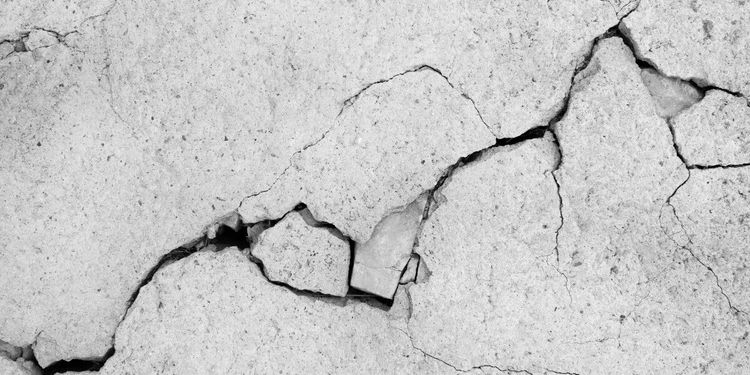
The risk stems from clay's response to moisture changes. During drought periods, clay soil contracts, and when moisture returns, it expands again. This cyclical movement can cause cracks and structural damage to buildings constructed on clay-rich ground.
Properties built after 1976 face particular vulnerability. That year, French national building standards reduced foundation sizes and standardized the use of concrete blocks for walls, making newer homes more susceptible to clay movement than older constructions with deeper foundations.
Changes to compensation system
The French government reformed its natural disaster compensation system in February 2023 to better address clay-related claims. The new regulations recognize that damage can result from multiple successive drought periods rather than requiring a single intense event, making it easier for affected homeowners to qualify for compensation.
To claim compensation, property owners must wait for their commune to be officially recognized as a natural disaster area through an interministerial decree published in the Journal Officiel. Once published, homeowners have 30 days to declare the damage to their insurer.
In 2025, France launched a trial prevention grant scheme across 11 departments, offering means-tested financial support covering up to 90% of surveying and prevention costs for homes in high-risk clay zones, with maximum grants of €15,000 available.
Mandatory disclosure for property sales
Under current regulations, when a property in an affected area is sold, sellers must inform prospective buyers about the risk of damage from clay soil movement. Homeowners and potential buyers can verify the risk level for any property through the French government's Géorisques website at georisques.gouv.fr.
The updated map uses enhanced data collection methods and incorporates the latest scientific understanding of clay behavior patterns, providing more accurate risk assessment for property owners, insurers, and prospective buyers across France.