French faux pas: avoid 'condom bread' at all costs
For English speakers navigating life in France, few linguistic traps prove more treacherous than faux amis—words that look familiar but carry entirely different meanings. The term, coined by Maxime Kœssler and Jules Derocquigny in their 1928 book as 'faux amis du traducteur' (false friends of a translator), describes a phenomenon that continues to trip up learners nearly a century later.
Elizabeth S., now settled in Pyrénées-Orientales, recalls a memorable example from her husband's early days in France. During a discussion comparing baguettes to British bread, he argued that British loaves stayed fresher longer due to their preservatives. His French friends collapsed in laughter, she recounts, before explaining the mistake.
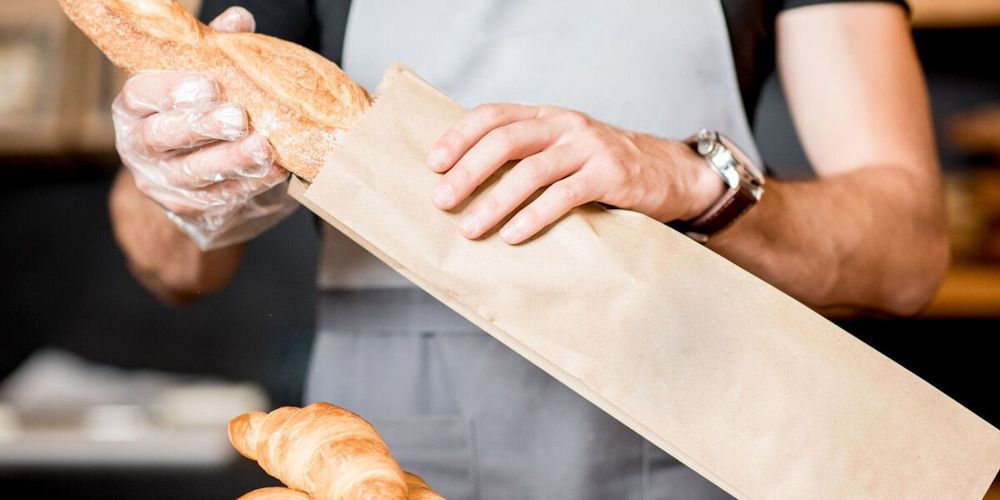
The confusion arose because un préservatif in French means a condom, not a food preservative. The correct term is conservateur, making a preservative-free meal un repas sans conservateur. Given that France's 1993 Décret Pain (Bread Decree) legally requires traditional French bread to contain only four ingredients—wheat flour, water, salt, and yeast, with no additives or preservatives—the topic was particularly relevant.
Michael T. from Australia experienced a similarly mortifying moment shortly after moving to Dordogne. Attempting to tell neighbours he wanted to introduce his wife that evening, he cobbled together something like je veux introduire ma femme ce soir. The neighbours laughed and patted his arm, promising to see them later.
When the couple arrived, his wife—who speaks far better French—explained that introduire more commonly means to penetrate or insert, while he should have used présenter. Michael admits feeling like an absolute idiot, though the experience ensured he never forgot that particular verb.
Why false friends are so common
The prevalence of faux amis between English and French stems from deep historical ties. Approximately 30% of English vocabulary comes from French, a legacy of the Norman Conquest and centuries of cultural exchange. This shared vocabulary creates countless opportunities for confusion, as familiar-looking words mask different meanings.
Language experts identify direct translation from English to French as a common source of errors. Many learners attempt to translate literally rather than learning French phrases in their proper context, a habit that frequently produces awkward or incorrect results.
Among the first examples learners encounter are pain (bread) and coin (corner), but hundreds of these misleading words exist. Simply using an English word with a French accent rarely works and can lead to very embarrassing mistakes.
The challenge affects many of the approximately 170 million people learning French in institutional settings worldwide, making it the second most studied language after English. For the estimated 150,000 to 200,000 British nationals living in France—a population mostly stabilized after Brexit under Withdrawal Agreement protections—mastering these distinctions remains an ongoing journey.
Beyond false friends
While faux amis capture attention with their comic potential, language specialists note that gender agreement represents the most common mistake non-native French speakers make. All French nouns carry either masculine or feminine gender, including inanimate objects, a grammatical feature that continues to challenge even advanced learners.
Yet it is the false friends that generate the most memorable stories, transforming routine conversations into linguistic minefields where bread becomes controversial and simple introductions turn inappropriate. For English speakers in France, vigilance remains essential—and a sense of humour proves invaluable when inevitable mistakes occur.