
Testing 73 medications for extended use
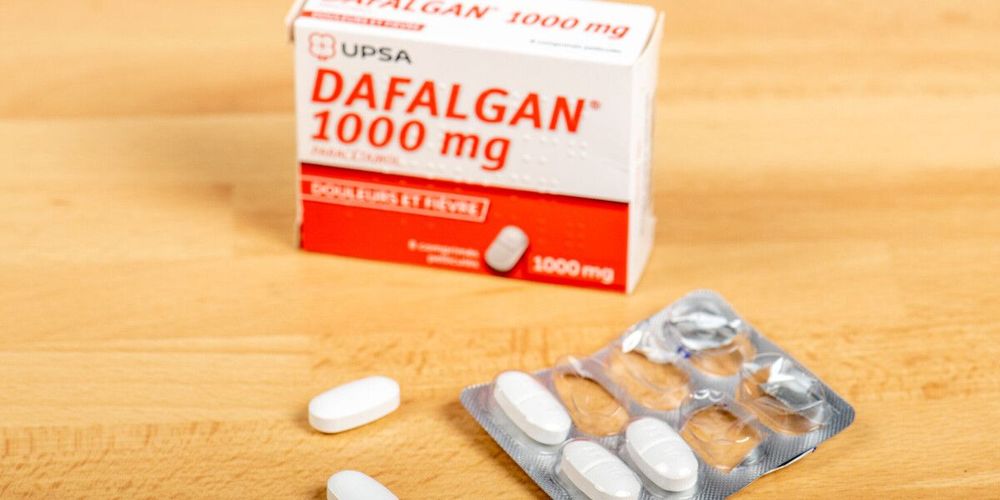
France's medicines safety agency has launched a five-year pilot program that could double the shelf life of dozens of widely used medications, including household names such as Dafalgan and Efferalgan, in a bid to reduce waste, ease critical shortages and lower the pharmaceutical industry's environmental impact.
The Agence nationale de sécurité du médicament (ANSM), established in 2012 to strengthen patient safety oversight, announced on August 26 that 14 pharmaceutical laboratories have agreed to participate in the scheme, titled Longue vie aux médicaments (Long life to medicines).
The program involves 73 medicines, including well-known treatments containing paracetamol, levothyroxine, melatonin and lithium. Most medicines currently authorised for sale in France have shelf lives between two and three years, with regulatory authorities typically setting expiration dates conservatively. Under the new initiative, laboratories will conduct fresh feasibility studies with the goal of extending these periods, in some cases doubling them.
The ANSM estimates that 47 of the 73 medicines should reach a shelf life of four years or more once studies are complete. Neither the composition nor the packaging of the medicines will change; laboratories will simply test the same products under real-world conditions for longer periods to gather the scientific evidence needed to support extended shelf lives.
How the testing works
Valérie Salomon, the ANSM's director of scientific affairs, explained that laboratories will store their medicines in controlled chambers with constant temperature and humidity, then monitor them closely over time. "They will look at whether the quantity of active ingredient stays the same throughout, whether any degradation products appear, and at all the physical and chemical characteristics of their medicine," Ms Salomon told Franceinfo.
Laboratories will then submit data to the ANSM demonstrating that their products remain safe and effective for up to four or five years. The approach mirrors successful international precedents: the U.S. FDA's Shelf-Life Extension Program, established in 1986, found that 88% of tested medication lots could be extended at least one year beyond their original expiration date, with an average extension of 66 months. Some medications remained effective for more than 20 years past their labeled expiration dates.
Addressing a widespread problem
The initiative comes as France grapples with significant medicine shortages. In 2024, 39% of French people reported experiencing medicine shortages, with 35% of them unable to obtain alternative treatments. The problem extends across Europe: France, Belgium and Spain reported the highest critical medicine shortages in the European Union between 2024 and October 2024, with 21 out of 27 EU member states reporting critical shortages during this period.
French pharmaceutical companies are already legally required to maintain safety stocks under a March 2021 decree, with minimum durations ranging from two to four months' supply depending on the medicine category. The shelf life extension program represents an additional strategy to improve medicine availability.
Environmental and economic benefits
The project forms part of France's broader strategy to reduce the healthcare system's environmental footprint. The sector accounts for approximately 8% of France's national greenhouse gas emissions, equivalent to around 49 million tonnes of CO2 per year, according to studies conducted between 2021 and 2023. Medications and medical devices collectively contribute to slightly less than half of the healthcare sector's emissions.
The ANSM notes that thousands of tonnes of unused medicines and other health products are destroyed annually. When improperly disposed of, pharmaceutical waste can leach into soil and water systems, contributing to environmental degradation and potentially fostering antimicrobial resistance. Extending shelf lives is expected to bring several benefits:
- Reduced waste by avoiding unnecessary destruction of stock that remains safe to use
- Fewer shortages through improved availability of treatments in hospitals and pharmacies
- A smaller environmental footprint with reduced chemical waste and lower CO2 emissions linked to production and disposal
The project was launched in November 2025 around the time of the COP30 climate summit and builds on commitments signed in December 2023 by the ANSM and other French health institutions to reduce the sector's emissions and waste.
For now, the ANSM reminds consumers that storage conditions listed on medicine packaging must continue to be respected. The full list of medicines involved in the pilot scheme is available on the ANSM website.