Major regulatory shift enables greywater use
As France endures its most severe drought crisis in over a decade, with 67 of the country's 101 departments under maximum water restrictions as of July 2026, homeowners are increasingly looking to greywater recycling as a solution for maintaining gardens under tap water bans.
July 2026 marked France's hottest month on record and the third driest July for rainfall, following three months of record-breaking heatwaves. The crisis has caused nearly a quarter of the country's streams to run dry, with around half of France's small streams drying up completely, leaving alternative water sources increasingly scarce.
French Decree No. 2024-796 of July 12, 2024 marked a significant policy change, officially authorizing the reuse of water unfit for human consumption, including greywater from showers, baths, bathroom sinks and washing machines. This represents a dramatic reversal from previous regulations that prohibited domestic greywater reuse entirely.
Prior to 2024, greywater recycling was banned and required individual authorization from the prefecture, based on a 2015 report from the French health agency Anses that cited health risks. The 2015 opinion restricted treated greywater to just three limited uses: flushing toilets, watering green spaces excluding vegetable gardens, and washing outdoor surfaces without generating aerosols.
The new regulations form part of a broader governmental push for water conservation. Between August 2023 and September 2024, France published eight new regulations expanding the legal framework for unconventional water reuse, including greywater, rainwater, and treated wastewater.
Permitted uses under new framework
Greywater from showers, baths, bathroom sinks and washing machines can now be used for washing laundry, cleaning indoor flooring, watering vegetable gardens or ornamental outdoor spaces, use in decorative fountains, flushing toilets, cleaning certain outdoor surfaces, and washing vehicles.
Three uses are classified as experimental and only authorized until 2034: laundry washing, indoor floor cleaning, and vegetable garden watering. These may become permanent based on ongoing studies and reviews.
Kitchen wastewater from sinks or dishwashers faces stricter restrictions and cannot be used for experimental purposes. However, water collected from rinsing or boiling foods that does not go down the sink can be reused more freely, as it is not classified as wastewater.
Installation requirements and authorization
Anyone planning to collect and reuse greywater must install a complete filtration system with separation between drinking water and greywater networks, backflow prevention mechanisms, and clearly marked separate piping. The local prefect must be informed of planned installations through an official online portal.
For experimental uses including watering vegetable gardens, authorization from the prefecture is required rather than simple notification. Kitchen wastewater systems require permission for all uses and separate filtration systems with more stringent standards.
The regulations mandate that installations adhere to rules in article R.1322-98 of France's public health code. Residents of shared flats should verify copropriété regulations before installing such systems.
Significant conservation potential
The potential impact of greywater recycling is substantial. The average French person consumes approximately 150 liters of drinking water daily, with around 93% dedicated to hygiene uses such as showering, toilet flushing, and washing machines. Greywater typically accounts for 50-80% of total household wastewater, representing a significant resource for conservation efforts.
This context becomes particularly relevant given that SISPEA estimates 20% of all drinking water in France is lost to leakages in the distribution system, highlighting the importance of both infrastructure improvements and alternative water sources.
Safety guidelines for garden use
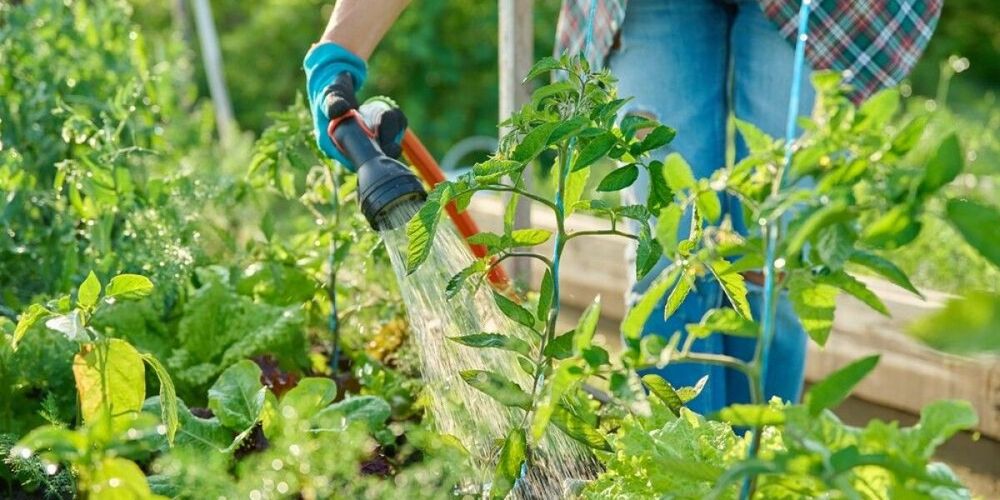
When watering vegetable gardens and fruit plants with greywater, users must water only the soil around plants and ensure the water does not contact edible surfaces. There must be no risk of runoff into the public water network. To minimize health risks, biodegradable laundry detergent and soap are recommended.
Collected greywater should be treated within 12 hours of collection and used within 72 hours of treatment, though Anses recommends use within 24 hours for safety.
Water collected from cleaning fruits and vegetables or boiling foods, if not thrown down the kitchen sink, can be used freely in gardens without filtration requirements and may contact edible plant parts directly.
All greywater use is limited to personal consumption only. Vegetables or foods grown with greywater cannot be sold, as commercial and agricultural uses fall under separate regulatory frameworks.