French consumers voice frustration over tough supermarket beef quality
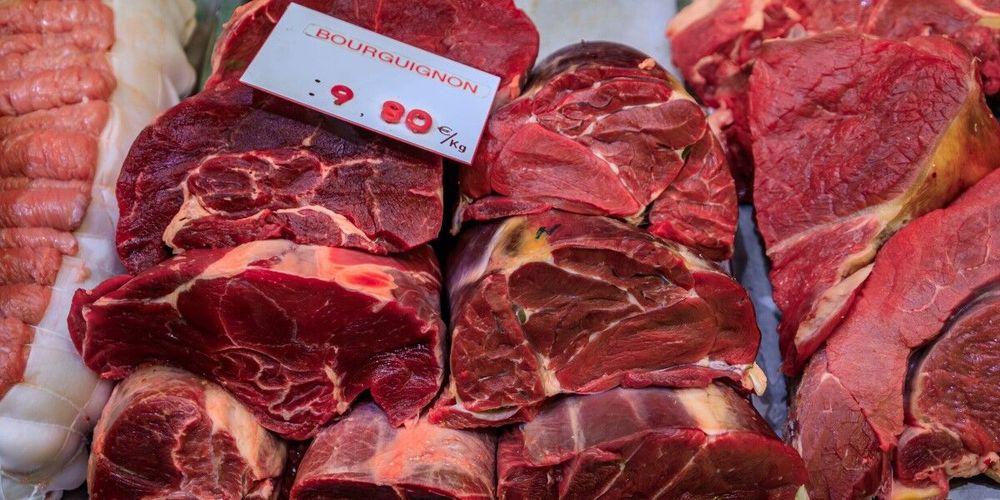
French supermarket beef continues to draw criticism from consumers who say the meat is consistently tough and disappointing compared to alternatives available abroad.
Several readers responding to an earlier discussion about meat quality in France described their frustration with pre-packaged beef found in French supermarkets. One reader from Pyrénées-Orientales noted that meat from butchery counters tends to be better quality but comes at a premium price.
The complaints may have structural explanations rooted in France's beef supply chain. Currently, 75% of beef consumption in France comes from culled cows of both beef and dairy breeds, with only 11% coming from animals less than two years of age. This reliance on older cattle naturally produces tougher meat compared to younger animals.
Aging practices also appear to fall short of optimal standards. While the minimum aging standard for beef in the industry is 14 days, average supermarket beef is aged between just 5-17 days. High-end beef, by contrast, is aged for at least 30 days, which significantly improves tenderness.
Breeding priorities add another dimension to the quality question. French cattle breeds like Charolais and Limousin are bred primarily for lean meat with less marbling, which differs from marbling-focused breeds that produce more tender beef. This agricultural tradition prioritizes muscle development and lean yields over the fat distribution that contributes to tenderness.
Cross-border shopping surge
The quality and price gap has driven notable consumer behavior at the Spanish border. Readers report seeing long queues at butchery counters in La Jonquera, where French shoppers fill trolleys with a month's supply of fresh meat. The appeal is clear: ground beef in Spanish border towns costs roughly 30-40% less than in France, while offering what many consider superior quality and greater variety of cuts and breeds.
This cross-border shopping pattern reflects broader economic realities. France has food prices 11.5% higher than the EU average, making it one of the most expensive countries for groceries in Europe. For border residents, the savings justify the trip.
One reader originally from South Africa contrasted the French experience with their former home, where beef is hung for 21-45 days and is celebrated for being full of flavor and tender. They described steakhouses offering everything from burgers to massive T-bone steaks at affordable prices.
Consumer concerns persist
Despite France's strong regulatory framework for beef labeling—which has required origin information on all beef since EU regulations came into effect, and restaurant disclosure since 2003—quality concerns remain prominent. A 2013 survey found that 90% of French respondents agreed it is important for the origin of meat used in processed foods to be labeled, reflecting deep consumer interest in sourcing.
France recorded beef consumption per capita of 23.5 kg in 2015, the highest in the European Union at the time, though consumption had declined by almost 12% over the previous decade. Whether quality concerns contribute to this gradual decline remains an open question.
Not all readers agreed that meat quality deserves sole blame. One respondent suggested that cooking methods may play as significant a role as the meat itself in determining final tenderness. Another remarked on the unusual cuts available in French markets and joked about the challenging texture requiring sharp cutlery.
The discussion underscores an ongoing tension between supporting French farmers—a value many French consumers hold dear—and seeking quality and value that sometimes requires looking beyond national borders.