Early French wine harvest reflects climate trend as Bordeaux escapes wildfire smoke taint
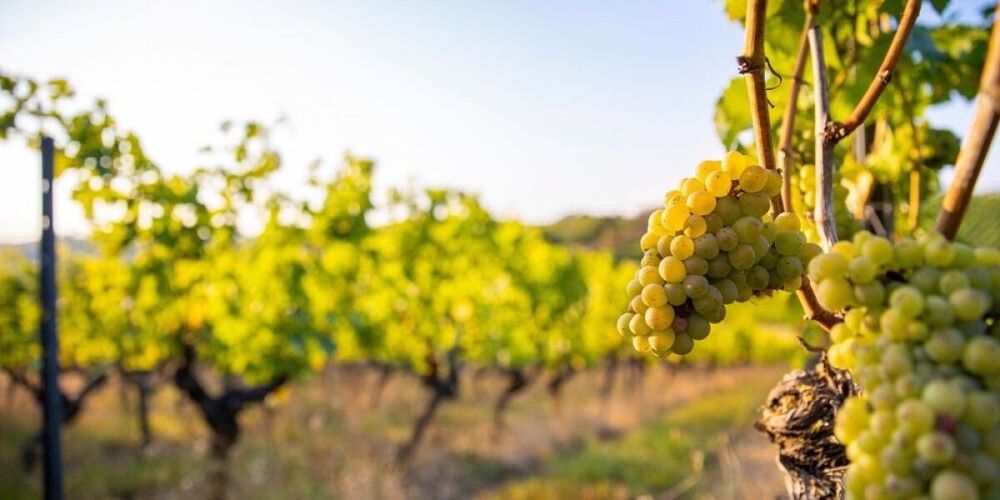
French vineyards began harvesting grapes unusually early this year as multiple heatwaves accelerated ripening across the country's wine regions, with both Bordeaux and Champagne experiencing some of the earliest harvest dates in modern records.
In Pyrénées-Orientales, harvesting began as early as July 27 for certain white and sparkling wines. By early August, Bordeaux vineyards producing Crémant sparkling wines had started cutting grapes, typically a week to 10 days ahead of other regional varieties.
Champagne sets modern record
The Champagne region began its 2026 harvest on August 12, the earliest start since records began in the early 20th century and more than a week ahead of last year's August 20 commencement. This continues a documented long-term trend: research on French wine harvest dates stretching back to 1354 in Burgundy shows grapes are now picked almost two weeks earlier than historical norms, with the shift particularly pronounced over the past three decades.
Crémant producers require grapes with lower sugar content and higher acidity, which is why they harvest earlier than makers of still wines. The combination of intense heat and prolonged sunshine has brought forward the optimal picking window across multiple regions.
Bordeaux Grand Cru harvest ahead of schedule
Bordeaux's prestigious Grand Cru estates, producers of some of the world's most expensive red wines, were scheduled to begin harvesting on August 17, compared to their typical start in the first or second week of September.
While exceptionally early, this does not break Bordeaux's all-time record. That distinction belongs to 1893, when harvest began on August 15 following an extraordinarily hot summer. At Château Margaux that year, the harvest started on August 17 and yields were so abundant that picking had to be suspended for six days because the estate lacked sufficient cellar vats. Many properties produced excellent vintages that year.
Sara Briot-Lesage of the Conseil Interprofessionnel du Vin de Bordeaux (CIVB) said the 2026 vintage shows similar promise.
The vintage is shaping up to be an early one due to the climatic conditions observed since the beginning of the growing season, and it already shows great promise of exceptional quality.
The region received beneficial rainfall over the first weekend of August, with most areas recording at least 3mm after a dry June that brought just 15mm for the entire month and a July with approximately 30mm, mainly from one mid-month downpour.
Wildfire smoke unlikely to taint wines
Despite thick smoke blanketing Bordeaux wine areas for at least one day during the massive late-July forest fire that destroyed 420 square kilometres of pine forest, the region's wines appear unlikely to develop smoke taint.
The nearest vineyards stand 15 kilometres from where the fire was contained, a distance scientists consider significant in reducing risk. Research shows that proximity alone does not determine smoke damage; rather, smoke density and duration of exposure are the critical factors. Damage can occur even in distant vineyards if smoke lingers for extended periods, but brief exposure at this distance typically poses minimal risk.
Timing also worked in Bordeaux's favour. The grapes were only at the beginning or middle of veraison when the fire occurred. During this ripening phase, which typically spans 30 to 70 days before harvest readiness, grape berries change colour, soften and begin accumulating sugars while acidity decreases. At this developmental stage, the grape skin acts as a natural protective barrier that significantly limits absorption of volatile phenolic compounds such as guaiacol, 4-methylguaiacol and various cresols. These compounds, produced when wood burns, are absorbed by grape skins and later released during fermentation to create unwanted smoky, ashy flavours.
Briot-Lesage said:
The Bordeaux vineyards, covering around 86,000 hectares, are located far from the Atlantic coastline where the fires occurred. Today, now that the fires have been fully contained, which is a tremendous relief after a number of particularly challenging days, several key factors allow us to state with confidence that neither the vineyards nor the upcoming harvest have been affected.
She praised the
exceptional commitment of local farmers and winegrowers, who provided invaluable assistance to firefighters in making tractors, water tanks and other equipment available,noting that
the areas affected by the fire were not wine growing regions.
California precedent drives caution
Concerns about smoke taint stemmed largely from California's experience, where entire vintages have been ruined by pervasive smoke flavour following wildfires. In 2020, devastating smoke exposure led many premium California winemakers to abandon their entire vintage, with the state's grape crush dropping 13.8 percent from 2019 levels. Industry representatives called it potentially the single worst disaster the wine-grape growing community had ever faced.
However, Bordeaux scientists who studied both the California cases and France's 2022 forest fires found that smoke taint typically occurs only when fires burn within a few hundred metres of vines and usually develops during the first 24 hours when smoke is most intense. Mere exposure to smoke does not automatically cause taint; vines must absorb specific volatile phenolic compounds under particular conditions.
Risk levels depend on multiple factors including fire proximity, smoke exposure duration, grape ripening stage and wine type. Red wines face higher vulnerability because production involves extended contact between juice and grape skins where smoke compounds accumulate, whereas white wine and rosé production separates juice from skins quickly after harvest, reducing exposure.
Var vineyards may face different outcome
Winemakers in the Var department may not be as fortunate. Forest fires in that region approached the edges of some vineyards, raising the possibility of smoke-affected wines. Var vineyards primarily produce rosé wines, most consumed domestically in France.
The divergent outcomes between regions underscore how local conditions during fire events determine whether smoke taint develops, even when multiple areas experience summer wildfires in the same season.