Exceeding regulatory requirements
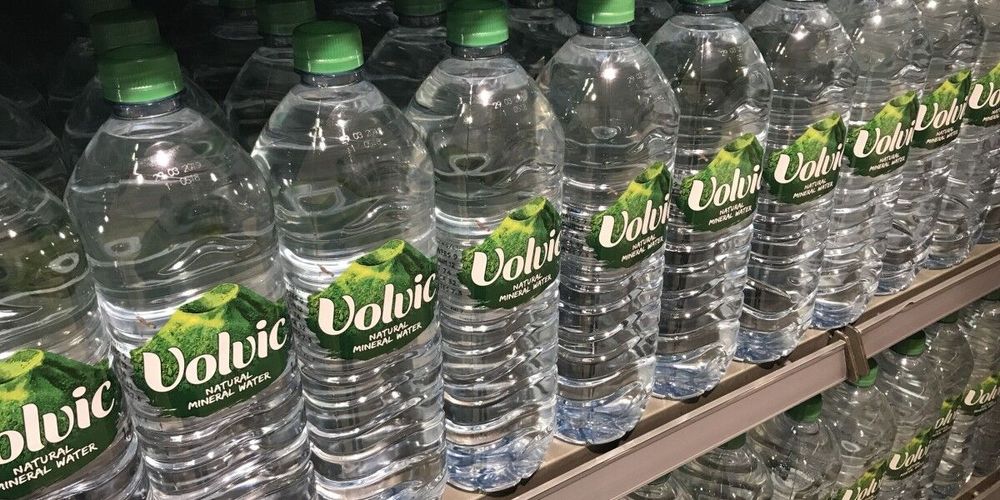
Volvic has completed its transition to bottles made entirely from recycled plastic across France, marking the brand's most significant packaging update since 1969 and positioning it well ahead of European Union environmental targets.
The change follows a nearly €2 million investment to upgrade production lines, including a €547,000 grant from ADEME, France's lead public agency for ecological transition that manages several billion euros annually in environmental funding. The initiative comes as France consumed approximately 140 liters of bottled water per capita in recent years, with 175 bottles sold every second in the country.
Volvic's move to 100% recycled content significantly surpasses EU requirements, which mandate 25% recycled content in PET bottles by 2025, rising to 30% by 2030 for all PET food and drink packaging. The bottles utilize recycled PET plastic granules that have undergone rigorous safety assessments by the European Food Safety Authority, which has evaluated over 200 PET recycling processes since 2010.
All bottles sold in France now contain no newly-created plastic granules. The packaging retains its distinctive green caps and current design, but uses 15% less material than bottles from 2018. The company produces around five million bottles daily.
Environmental impact and company targets
The transition will reduce Volvic's carbon footprint by up to 60%. Parent company Danone Group aims to cut emissions by 35% between 2020 and 2030 across all brands and operations. As of 2023, Danone's water bottles in Europe averaged 35% recycled plastic content, with the company having reduced its virgin plastic footprint by 70,000 tons compared to 2018.
The shift comes amid scrutiny of Danone's environmental record. A peer-reviewed study in Science Advances examining brand audit data from 84 countries found Danone accounted for 3% of all branded plastic pollution found in the environment globally. The company has set targets to reduce virgin fossil-based plastic use by 30% by 2030 and by half by 2040.
The initiative gains additional significance in the French context, where PET bottle recycling stands at 65%, but overall plastic packaging recycling remains among the EU's lowest at 25.7% in 2023, compared to the EU average of 42.1%. Meanwhile, daily bottled water consumption in France has declined from 57% of the population in 2000 to 47% in 2022.
Legal challenges over environmental claims
Despite the recycling progress, Volvic faced legal setbacks over its environmental messaging. In June 2026, the Paris tribunal found the brand guilty of misleading commercial practices regarding previous claims that bottles were '100% recycled', '100% recyclable' and 'carbon neutral'.
The court determined that carbon offsetting projects did not fully counteract emissions from bottle production. Additionally, bottle caps, labels, adhesive glue and ink were not made from recycled materials or fully recyclable, despite the bottles themselves meeting those standards. Danone Group was ordered to pay €75,000 in damages to consumer association CLCV.
Volvic argued it followed industry standards and obtained a carbon label from the Carbon Trust in 2020 using recognised methodology. The company plans to appeal the ruling.
Consumer association 60 millions de consommateurs recently rated Volvic among the top three healthiest waters in France for its high mineral content, including silica beneficial for joint health. A 2025 study also found it least likely to contain plastic contamination.